What Are the Different Types of Gutters? [2026 Guide]
Gutters might not be the most attractive part of your home, but they are one of the most important systems that keep your home safe from expensive water damage. When gutters don’t work right, rainwater can build up around your foundation, get into your basement, damage your landscaping, and even weaken the structure of your home.
It’s important to know about the different types of gutters if you want to install new ones, replace old ones, or just learn more about your options. Homeowners today have more options than ever before. They can choose from classic half-round styles, modern box gutters, and materials like cheap vinyl and expensive copper.
But looks aren’t the only thing that matters when picking the right gutter system. You need to think carefully about the design of your roof, the weather in your area, your budget, your maintenance needs, and your long-term durability goals.
In this complete guide for 2026, we’ll show you how to:
- The most popular types of gutters
- Pros and cons of each
- Common gutter materials and how well they work
- Signs that your gutters might need to be fixed or replaced
- Answers to questions that people ask a lot
You will know enough by the end of this guide to make a smart choice that will keep your home safe for many years to come.
Types of Gutters
There are different kinds of gutters. The style you choose will affect how well the system works, how much upkeep it needs, and how well it goes with the outside of your home.
Let’s look at the three main types of gutters that are used in homes today.
Half-Round Gutters

Half-round gutters are one of the oldest types of gutters that are still used today. They look like a tube that has been cut in half, which makes a smooth, rounded trough that lets water flow freely toward the downspouts.
Half-round gutters are common on older homes, high-end homes, and homes that want a classic look.
Pros of Half-Round Gutters
- Great Water Flow – The curved inside lowers friction, which makes it easier for water and debris to move through the system. Compared to angular gutter styles, this can make clogs less likely.
- Less rusting over time – Half-round gutters tend to last longer without rusting or corroding, especially when they are made of copper or aluminum. This is because they have fewer internal corners where water can collect.
- Looks Nice – A lot of homeowners choose half-round gutters just because they look nice. They go well with traditional architecture and can make the outside of your home look better.
- Cleaning is easier – Leaves and other debris are less likely to get stuck in the smooth channel, which makes cleaning it out once a year faster and easier.
Cons of Round Gutter
- More expensive to install – Half-round gutters usually need special brackets and professional installation, which can make the initial costs go up.
- Less Water Capacity – Half-round systems don’t hold as much water as K-style gutters do. Homes in places where it rains a lot may need bigger sizes or more downspouts.
- Limited Compatibility – Some fascia boards aren’t made to be installed in half-rounds, so you might need to make changes.
- Fewer choices of materials at low prices – There are a lot of high-quality materials out there, but it can be harder to find cheaper ones.
Best for: homes with a lot of history, luxury homes, homeowners who care about how things look, and places with moderate rainfall.
K-Style Gutters

The most common type of gutter system in North America is the K-style gutter, and for good reason. Their shape is similar to decorative crown molding, which makes them fit in perfectly with modern home designs.
Most homes in residential neighborhoods have K-style gutters, so if you walk through one, you should see them.
Pros of K-Style
- More water can fit in – K-style gutters can hold more water than half-round systems of the same width because their backs are flat and their bottoms are angled.
- Affordable – You can find them almost anywhere, which makes both the materials and the installation cheaper.
- Strong Structure – The shape makes the gutter stronger, which helps it not bend or warp when it gets hit.
- Different Looks – K-style gutters go well with many different types of architecture, from old-fashioned to modern.
- Accessories that are easy to find – It’s easy to find replacement parts, guards, and attachments.
Cons of K-Style Gutter
- More Likely to Collect Debris: The angles on the inside can trap leaves and dirt, making it necessary to clean them more often.
- More difficult to keep up
- It is harder to clean corners than it is to clean round designs.
- Can Look Big on Old Homes
- They may work, but they might not look good on older or architecturally detailed homes.
- Seams that could corrode
- If joints are not seamless, they can get weaker over time.
Best For: Most homes, places with a lot of rain, and homeowners who want something that will last a long time at a fair price.
Box-Style Gutters

Box gutters are bigger and deeper than other types of gutters, so they can handle a lot of water. They were first used in commercial buildings, but they are now being used more and more in modern homes, especially those with big roofs.
Box gutters are different from regular gutters, which hang from the edge of the roof. Instead, they are often built into the structure itself.
Pros of Box-Style Gutters
- Handling Water at Its Best – Because they are big, they can handle heavy rain well, which lowers the risk of flooding.
- Looks Clean and Modern – Box gutters give a smooth look because they are often hidden in the roofline.
- Great for Big Roof Areas – Great for houses with big roofs or roofs that are very steep.
- Long-lasting strength – If you take care of them, box gutters can last for decades if they are installed correctly.
Cons of Box-Style Gutters
- Installation by a professional is necessary. – If you don’t install it correctly, it can cause serious water damage to the structure.
- More money to start with – The costs of materials and labor are usually higher than those of traditional systems.
- Maintenance Is Very Important – Because they are built into the structure, leaks that go unnoticed can cause damage that isn’t seen.
- Fixing things can be hard – You might have to do some work on the roof to get to the built-in gutters.
Best for: homes built in the last few decades, businesses, and homes in areas that get a lot of rain.
Top Gutter Materials
It’s just as important to pick the right material as it is to pick the right style. Each choice has a different balance of price, appearance, durability, and maintenance.
Aluminum Gutters
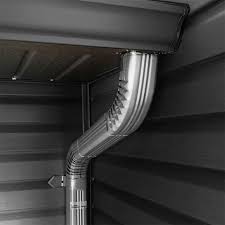
Aluminum is still the most popular material for gutters, and it’s easy to see why.
Why Homeowners Love Aluminum:
- Lightweight yet strong
- Rust-resistant
- Affordable
- Available in many colors
- Compatible with seamless fabrication
Aluminum gutters perform well in most climates and require relatively little maintenance. Thicker gauges provide added durability against dents.
Potential Drawbacks:
Lower-quality aluminum can bend under heavy ladders or falling branches.
Typical Lifespan: 20–30 years.
Copper Gutters
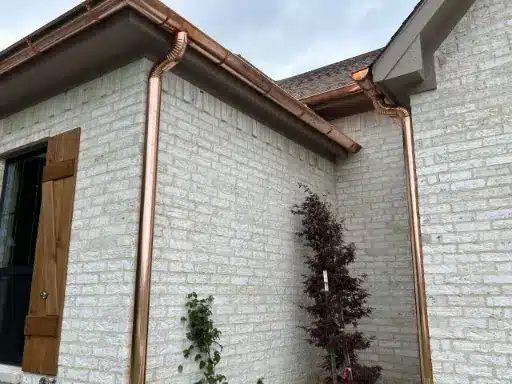
Homeowners who want the most beautiful and long-lasting gutters should choose copper.
Copper gets a natural patina over time, which is a greenish finish that many people find very appealing.
Advantages:
- Extremely long lifespan (often 50+ years)
- Naturally resistant to corrosion
- Minimal maintenance
- Adds architectural value
Disadvantages:
- High upfront cost
- Requires skilled installation
- Color changes over time
Copper is ideal for homeowners who view gutters as a long-term investment rather than a short-term solution.
Steel Gutters

Steel gutters offer exceptional strength, making them suitable for environments where weather conditions are more severe.
There are two main types:
- Galvanized steel — coated to resist rust
- Stainless steel — premium corrosion resistance
Benefits:
- Handles heavy snow and ice
- Highly impact-resistant
- Durable under extreme conditions
Considerations:
- Heavier than aluminum
- Can rust if protective coating fails
- Typically more expensive than aluminum
Typical Lifespan: 20–40 years depending on maintenance.
Vinyl Gutters
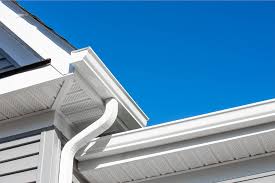
Vinyl gutters are often chosen for their affordability and ease of installation.
Many homeowners even opt for DIY installation.
Pros:
- Budget-friendly
- Rust-proof
- Lightweight
- Simple to assemble
Cons:
- Can crack in cold temperatures
- May warp under intense sun
- Shorter lifespan
Typical Lifespan: 10–20 years.
Vinyl works best in mild climates without temperature extremes.
Wood Gutters

Though uncommon today, wood gutters still appear on historic or specialty homes.
They deliver a distinctive, handcrafted look that synthetic materials cannot replicate.
Advantages:
- Unique aesthetic
- Ideal for restoration projects
- Can last decades with proper sealing
Challenges:
- Requires ongoing maintenance
- Vulnerable to rot if neglected
- Expensive to repair
Wood gutters are typically selected for authenticity rather than convenience.
Most Frequently Cited Gutter Problems
Even the best gutter system will wear out over time. Being able to spot early warning signs can help you avoid spending a lot of money on small problems.
Hole in the Gutter
Corrosion, impact damage, or materials that are getting old can cause small holes to form. Even small openings can let water drip directly onto fascia boards or foundations, even if they don’t seem like a big deal.
Seal small holes with waterproof gutter sealant to fix the problem. Section replacement is usually needed for bigger damage.
Adding or Moving a Downspout
Sometimes the problem isn’t the gutter — it’s the drainage layout.
If water pools near your home, additional downspouts may be necessary to improve flow.
Warning Signs:
- Overflow during storms
- Soil erosion
- Basement moisture
A professional evaluation can determine optimal placement.
Dented Gutters
After ladder pressure, branches falling, or bad weather, dents are common.
Dents can stop water from flowing, not just look bad.
What to Do: You can reshape small dents, but if the dent is big enough, you probably need to replace it.
Water Not Draining Due to Improper Slope
Gutters need to have a slight slope so that gravity can move water toward the downspouts.
If the slope is wrong, water can pool, which speeds up rust and draws in bugs.
Fix: The problem is often fixed by rehanging and properly leveling the gutter.
Clogged, Disconnected, or Broken Downspouts
Blockages are among the most common gutter complaints.
Leaves, nests, and debris can stop water entirely, forcing it to spill over the sides.
Prevention Tips:
- Schedule seasonal cleanings
- Install gutter guards
- Inspect after major storms
Disconnected downspouts should be repaired immediately to prevent foundation damage.
Rotted Gutter Material
Rot is most often associated with wood systems but can also affect fascia boards behind failing gutters.
Red Flags:
- Soft spots
- Peeling paint
- Visible decay
Prompt replacement prevents structural issues.
Sagging or Detached Gutters
When gutters pull away from the house, they can no longer channel water effectively.
Common causes include:
- Loose fasteners
- Excess debris weight
- Aging hardware
Re-securing the system early can prevent full collapse.
Leaking Seams
Joints are what make sectional gutters work, and they can break down over time.
Changes in temperature make things expand and contract, which weakens seals.
Long-Term Solution: A lot of homeowners switch to seamless gutters to lower the chance of leaks.
Other Issues to Watch For
- Ice dams in colder regions
- Pest infestations
- Paint peeling near rooflines
- Mildew growth
- Overflow during moderate rain
Routine inspections can dramatically extend your gutter system’s lifespan.
Final Thoughts
Your gutters are very important for keeping your home safe from water damage. Knowing the differences between styles, materials, and common problems can help you make a smart investment that keeps your property safe and gives you peace of mind.
Choosing the right solution will make sure that it lasts a long time. You can choose between half-round gutters, K-style systems, or box gutters, which have a lot of capacity.
If you’re not sure which option is best for your home, talking to experts can help you avoid making mistakes that will cost you money and make your system last longer.
The right gutters make a big difference when it comes to keeping your home safe.