Winter Gutter Preparation Tips
As winter gets closer, homeowners often think about their heating systems, insulation, and how to get rid of snow. But one area of home maintenance that often gets ignored during this time is the gutter system. Gutters are very important because they keep rain, melting snow, and ice from getting on your home’s roof, walls, and foundation. If they aren’t taken care of properly before winter, they can get expensive problems like ice dams, leaks, and even structural problems.
When you get your gutters ready for the cold months ahead, you can be sure they will work well when you need them most. We’ll show you the most important things you need to do to get your gutters ready for winter below. These include cleaning, checking, sealing, and putting up safety measures.
Why Gutter Cleaning is Essential in Winter
A healthy roofing and drainage system starts with clean gutters. Gutters often get filled with leaves, pine needles, twigs, and other trash in the fall that can easily stop water from flowing. When the weather gets colder, this buildup can freeze, causing big blockages and ice dams that stop water from draining properly.
When snow melts and refreezes at the edge of the roof, it creates ice dams that trap water that can leak through shingles. Ice and debris can make gutters sag or even pull away from the house, in addition to causing water damage.
You can lower the chance of these problems by cleaning your gutters before winter. It lets melted snow and rainwater flow freely through your gutters and away from the foundation of your home. All winter long, a well-kept gutter system keeps water from damaging your home’s siding, roof, and landscaping.
Before Winter Arrives
Getting ready for freezing weather can make a big difference. Follow these important steps to make sure your gutters can handle the problems that come with winter weather.
Clean Gutters and Downspouts
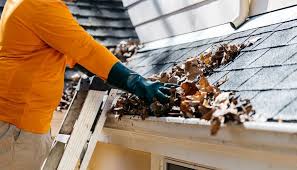
Cleaning your gutters well is the first and most important thing you need to do to get them ready for winter. Take out all the leaves, twigs, dirt, and other things that might get in the way of the water flow. These are the places where clogs often happen: corners, joints, and downspout openings.
You can use a regular garden hose to flush away any leftover dirt after you clean by hand. If the water is flowing smoothly from the downspouts, your system is clear. If not, use a plumber’s snake or a high-pressure nozzle to get rid of anything that is in the way.
Cleaning your home regularly not only keeps the water flowing well, but it also helps you find problems before they get worse. If you don’t feel safe working on a ladder, you might want to hire a professional gutter cleaning service to make sure the job is done right and safely.
Inspect for Damage
After you clean your gutters, look over the whole system for any signs of damage. Check for cracks, rust spots, sagging parts, or spaces between the joints of the gutters. When ice and snow start to build up, even small flaws can turn into big problems.
Check the screws that hold your gutters to the roof. To keep the roof from sagging under the weight of snow or ice, you should tighten or replace any loose screws or brackets. Also, make sure that the gutters are sloped correctly, usually about a quarter inch for every 10 feet, so that the water can flow properly to the downspouts.
A full inspection can find problems that you can’t see that could cause leaks or water to overflow when winter comes. Taking care of them early saves money on repairs later on.
Gutter Cleaning and Timing Considerations
When you clean your gutters matters almost as much as how often you clean them. Seasonal variations and weather patterns in Dallas should inform your schedule. Most experts recommend at least twice-a-year cleaning, usually in spring (after winter winds) and fall (after tree leaf drop).
However, depending on how many trees you have, how many storms you get, and how easily debris accumulates, you may need more frequent cleanings three, even four times a year.
Additionally, after major storms, high winds, or periods of heavy rainfall, you should inspect the gutters promptly. These events can deposit large amounts of debris, loosen hangers, or create clogs, and catching the issue early can prevent overflow damage to your home’s siding, foundation or roofline.
Seal Leaks
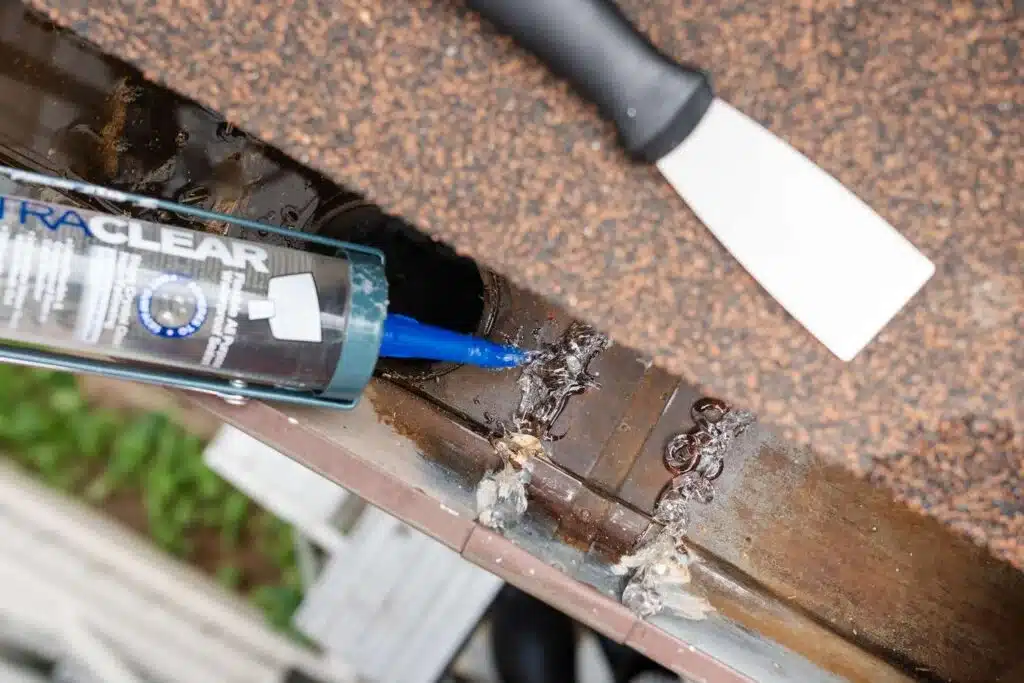
One of the most common reasons for water damage in the winter is gutters that leak. After looking over your system, use a good gutter sealant or caulk to fill in any cracks, seams, or holes. Check the corners and joints where leaks are most likely to happen.
Rust can also be a problem for metal gutters. Use a wire brush to get rid of the rust, and then use a primer and sealant that won’t rust. You might need to reconnect or strengthen vinyl gutters with gutter glue.
If you take the time to fix leaks now, your gutters will stay watertight when the snow starts to melt. This one easy step can keep you from having to deal with damage from moisture, paint that is peeling, or problems with the foundation later.
Check Downspout Extensions
Downspouts are what keep water from getting to your home’s foundation. Check that they are not blocked and that they are at least three to four feet away from your house.
If your downspouts dump water too close to your foundation, it can cause water to pool, soil to wash away, and even leaks in your basement when the ground freezes and thaws. Adding or changing extensions is a simple and cheap way to help keep your home’s structure strong.
You can also put in flexible downspout extenders that move water even farther away from the edge of your home. This is a great solution for places that get a lot of snow or runoff.
Trim Overhanging Branches
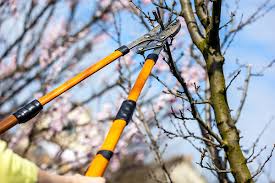
In the winter, tree branches that hang down can cause a lot of problems. Not only do they drop leaves and other stuff into your gutters, but they can also break under the weight of ice and snow, which could hurt your roof or gutter system.
Cutting these branches back before winter lowers the risk of them getting stuck and falling. This is a simple step that makes your gutter system safer and lasts longer. It also helps keep you from having to make emergency repairs after a snowstorm.
Optional Winter Protection
There are more things you can do to protect your gutters and make them work better in the winter if you want to go the extra mile.
Install Gutter Guards
Gutter guards are made to keep leaves, twigs, and other debris out while still letting water through. Putting them in before winter can cut down on how often you need to clean them and stop ice dams from forming in clogged gutters.
You can get different kinds of gutter guards, such as mesh screens, foam inserts, and solid covers. Pick a style that works with the design of your home and the weather in your area. No system is completely maintenance-free, but gutter guards can make it much easier and faster to keep your gutters working well.
Install Heat Cables
If you live in an area with very cold winters, heat cables (also known as heat tape) can be a good investment. They put these cables along the edge of the roof or inside the gutters and downspouts to keep ice from forming and blocking the flow of water.
Heat cables keep the temperature steady so that snow and ice don’t freeze again. They work especially well to stop ice dams and keep water flowing steadily during the coldest months.
A professional should do the installation to make sure the cables are put in the right place safely and effectively. They do cost a little more in the short term, but the long-term benefits of keeping ice from building up and damaging your gutters are usually worth the cost.
Insulate Your Attic
Attic insulation may not seem like it has anything to do with gutters, but it is very important for stopping ice dams. When warm air leaves your attic, it melts the snow on the roof. The snow then refreezes along the edges and in your gutters. This cycle can cause leaks and blockages.
Good insulation keeps your attic cooler by lowering the difference in temperature between the roof and the outside air. This helps keep your gutter system working well and stops ice dams from forming. It’s a proactive way to protect both your roof and your gutters at the same time.
During the Winter
It’s important to keep an eye on and maintain your gutters even after you’ve gotten them ready for winter. The cycle of freezing and thawing can cause problems that you didn’t expect. By keeping an eye on your system all season, you can stop small problems from turning into big ones that need to be fixed.
Monitor During Winter
After a lot of snow or ice builds up, check your roofline and gutters often. Check for any signs of sagging, water backing up, or water overflowing under the shingles. If you see icicles forming along your gutters, it could mean that the drainage isn’t working right or that an ice dam is starting to form.
You should also make sure that the downspouts are clear and not frozen. You can safely get rid of snow from the edges of your roof with a broom or roof rake. This helps your gutters hold less weight.
Remove Ice Carefully
If ice has formed in your gutters, don’t try to get rid of it by force. Using sharp tools can hurt the gutter material and make the problem worse. Instead, use a rubber mallet to gently break up small ice patches or use safe de-icing products that won’t hurt your roof.
It’s best to call a pro if your gutters are frozen solid or sagging because of the weight of the ice. Trying to remove a lot of ice on your own can hurt you or make your roof and gutters worse.
When to Call a Professional
Homeowners can do a lot of gutter maintenance work, but there are times when it’s best to hire a pro. A professional can safely check and fix your gutters if they are hard to reach, badly broken, or full of ice that has been compacted.
If you hire a professional gutter service, you can be sure that your system will be properly cleaned, inspected, and maintained. They can see problems that someone who isn’t trained might miss, like loose hangers, bad drainage slopes, or leaks that aren’t obvious.
If you live in an area that gets a lot of snow or has a lot of freeze-thaw cycles, having a professional check your gutters at least once a year can save you money on repairs and make them last longer.
Conclusion
Cleaning out your gutters for winter might not be the most fun home maintenance task, but it’s one of the most important. Cleaning, checking, and strengthening your gutters before the cold weather sets in can help you avoid big problems later on, like leaks, ice dams, and damage to your home’s foundation.
You can protect your home from the harsh effects of winter weather by doing things like cleaning it well, sealing leaks, trimming branches, and thinking about adding things like gutter guards or heat cables.
We at Liberty Gutters LLC know how important it is to keep your gutters in good shape for the safety and longevity of your home. Our team is ready to help you keep your home safe all year long, whether you need seasonal cleaning, repairs, or a full gutter replacement.